participation & possibility…
Recently…
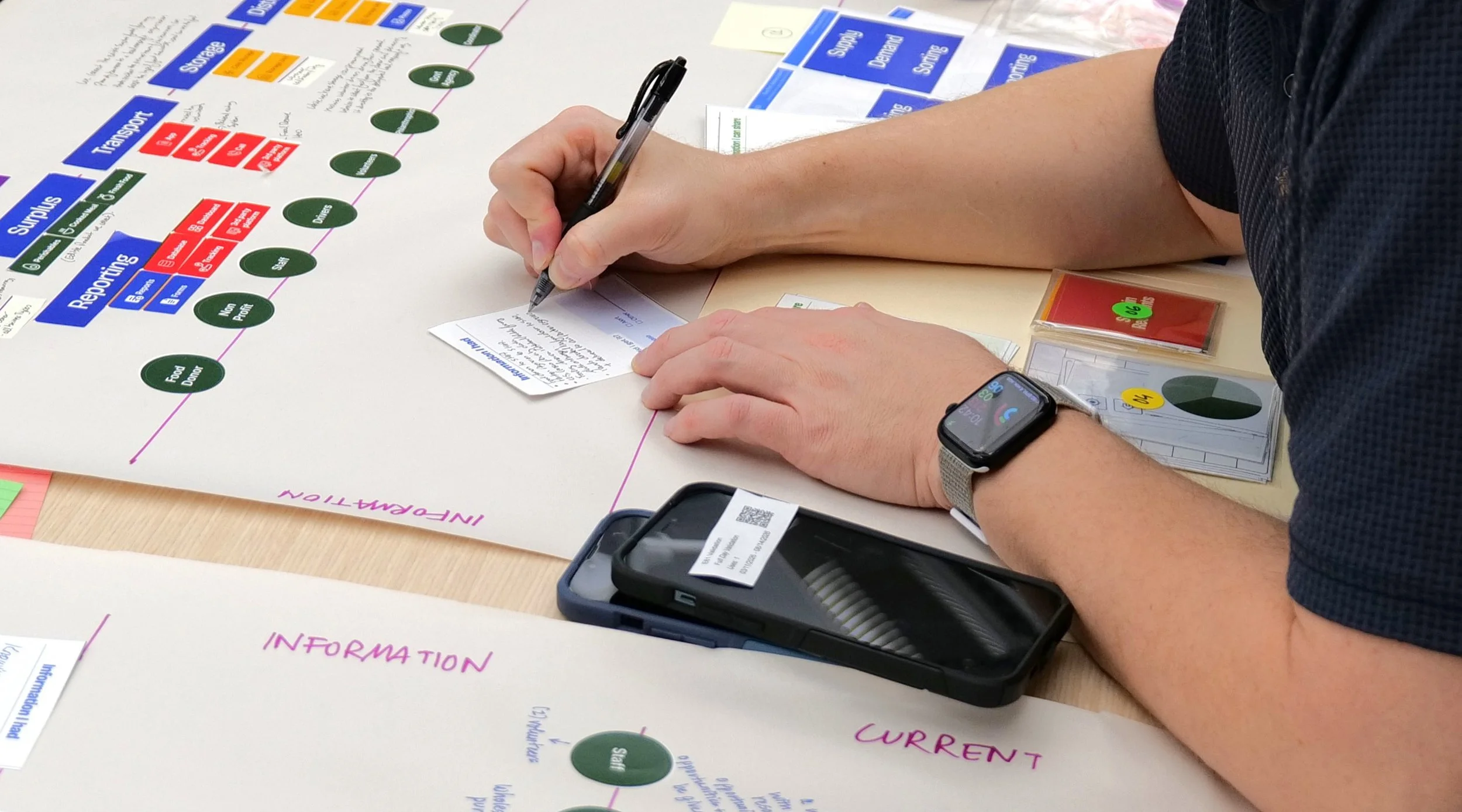
Food Network Commons
How can diverse organizations and communities coordinate, share resources, and move food across a region? This ongoing project asks what kinds of infrastructures might support these networks without reducing them to standardized supply chains. Through collaborative research and design, we are developing ways to understand and navigate the relationships, resources, and gaps within a regional food network and designing tools that help organizations work together without requiring them to work the same way.
This project is ongoing and supported by Vanshika Kumar, Morgan Brown, & Mandy Lin.
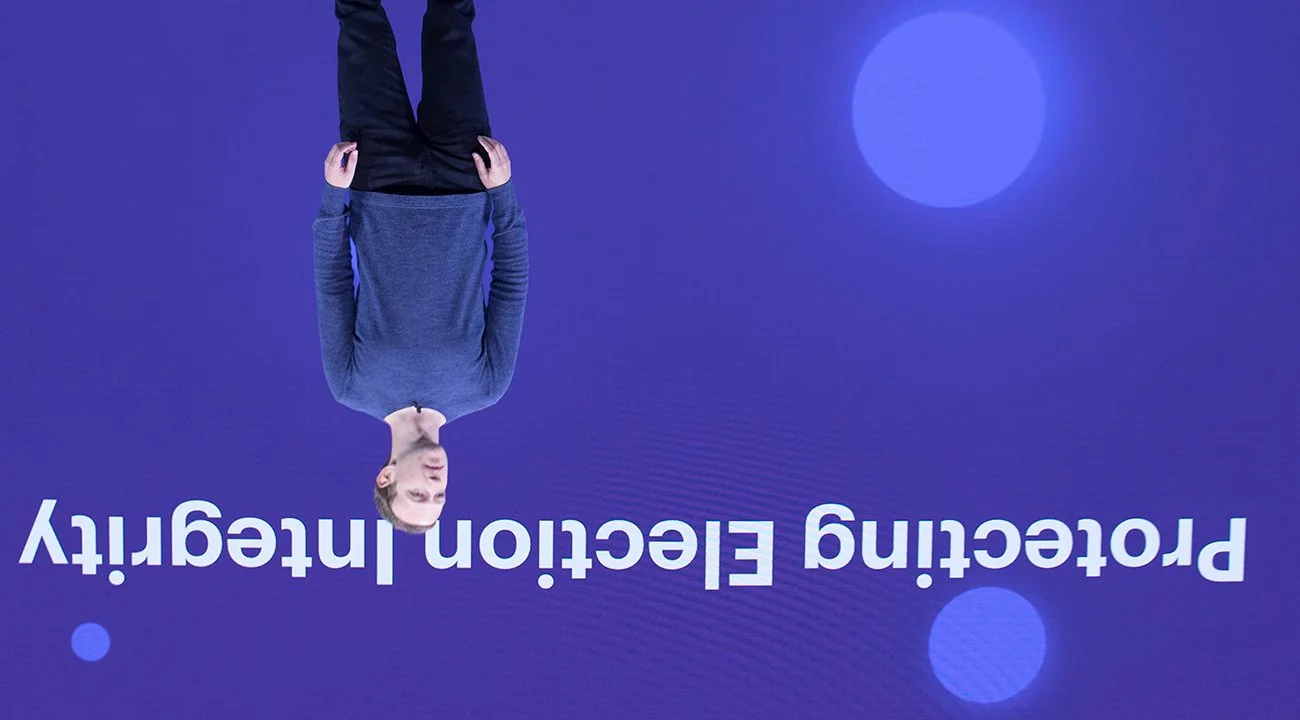
You Can’t Solve Democracy in Q3
A collaboration with Michael Madaio and Meg Young, this project explores the possibilities and limitations of efforts to democratize AI within industry. We examine emerging approaches as companies seek ways to involve people in decisions about how systems are developed and governed. The project asks what these efforts make possible, and also what they leave unchanged: how participation can create the appearance of democratic legitimacy without substantially redistributing the power.
We recently published a paper at the 2026 FaCCT Conference.

Accompaniment
What if we understood design research not simply through what it produces, but through how it works with others? This work develops accompaniment as a way of doing design research differently—a way that pays attention to relationships, shared commitments, and how designers work alongside the people and communities they engage.
Anh-Ton Tran, Amanda Meng, and I wrote a paper exploring this idea, published in Design Issues.
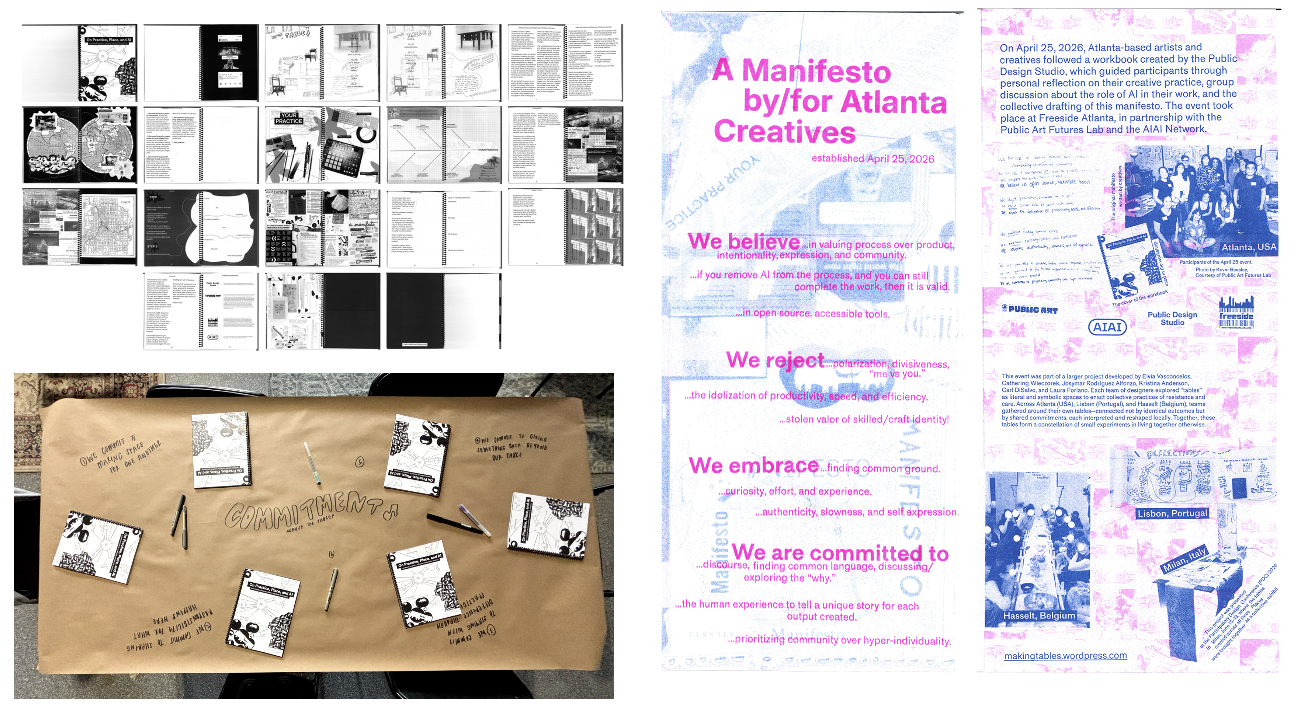
Tables
Tables is a participatory workshop exploring how creatives want to engage AI. Through conversation, reflection, and making, participants consider their uses, non-uses, and misuses of AI, and develop a collective set of commitments for their creative practices. These commitments are gathered into a manifesto and produced as a custom-printed poster: a tangible record of how participants want to work with AI, and the conditions they believe should shape that work.
The Tables project is led by Catherine Wieczorek-Berkes, with partnership from the Fulton County Public Art Futures Lab .

Under the Circumstances
Under The Circumstances is a collaboration with ken anderson. It’s a place for us to think in public together: essays, field notes, and unfinished ideas about the complications of our contemporary conditions. We’re interested in figuring out what to do inside these conditions: the compromises we’re willing to make, the lines we refuse to cross, and the small practices through which we try to build livable worlds inside damaged systems.
My work explores how design can help expand our collective sense of what’s possible—both through speculative projects that imagine alternatives, and by working alongside communities, organizations, and institutions as they do the practical, often messy work of bringing alternatives into being.